








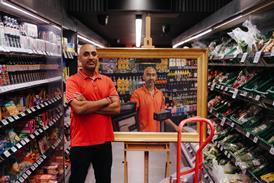







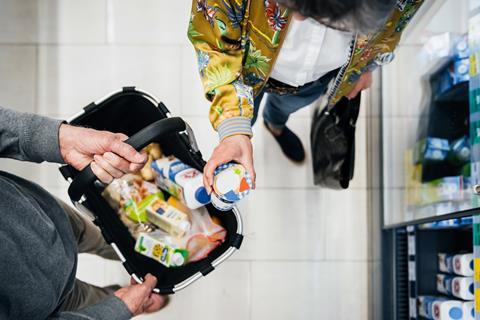
The Scottish Government has been urged to reconsider plans to introduce statutory price caps for essential food items.
Proposals for price caps were announced earlier this year and focused on statutory price ceilings on “essential lines”. A consultation on the plans was held, that closed today (24 November) however, the food and retail industry has been critical of the proposals, warning that they will impact smaller retailers.
Get the latest convenience news via whatsapp
The Scottish Wholesale Association (SWA) has warned that while lower shelf prices may appear attractive, they do not reduce the underlying costs of producing, distributing and selling food, and that any pressure created by capping prices is likely to be felt elsewhere in the supply chain, potentially affecting wholesalers, producers and retailers, with consequences for product choice and availability.
Colin Smith, SWA chief executive, said that while it supports action to help households struggling with the cost of living, it strongly opposes statutory controls on retail food prices. “Families across Scotland are facing real financial pressures, and we absolutely recognise the need for government to take action. But food affordability cannot be looked at in isolation from the wider cost of living. We need to be sure that we’re choosing the right approach to help those who need it most, and we don’t believe statutory price caps are the answer.
“Putting a cap on the price of a product doesn’t make the cost of producing or supplying it disappear. Those costs remain. Businesses may have to absorb them or respond through changes to supplier terms, sourcing and product ranges, with consequences that could reach well beyond the supermarkets themselves.
“Wholesalers and their customers are already dealing with rising employment, energy and transport costs, alongside a growing number of regulatory requirements. These pressures are cumulative, and we cannot ignore what further intervention could mean for businesses operating on extremely tight margins.”
The SWA’s response to the Government’s consultation flagged concerns about the potential impact on Scottish food and drink producers, independent convenience retailers, hospitality businesses, and public-sector food supply.
It warned that although the proposed controls as currently outlined would primarily apply to large supermarket businesses, changes in purchasing decisions, supplier terms and consumer shopping habits could have consequences throughout the supply chain.
For wholesalers, reduced orders from independent retailers or changes in product availability could increase distribution costs, particularly where deliveries serve smaller or more dispersed customers.
Earlier this month, the Federation of Small Businesses (FSB) Scotland and the Scottish Grocers’ Federation (SGF) also highlighted concerns over the price cap proposals.
SGF chief executive, Pete Cheema, said: “Local retailers often operate on tight margins and rely on a relatively small range of essential grocery products to generate the income needed to keep their businesses viable.
“Many food producers, wholesalers and retailers continue to face significant costs, including energy, transport, employment costs, increased inflation & interest rates and a raft of new product restrictions and regulations. These costs do not disappear simply because the Scottish Government decides to impose a maximum retail price on certain products.
“Ultimately, consumers could find themselves paying more elsewhere in their weekly shop, undermining the very objective the policy is supposed to achieve. For many small shops, this could be the difference between remaining viable and being forced to close.”











No comments yet