


















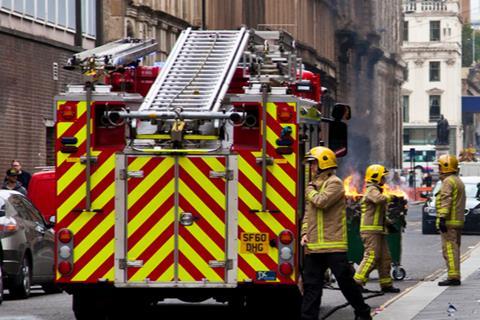
The UK Vaping Industry Association (UKVIA) has issued a response following the devastating fire which started in a vape shop in central Glasgow.
Sunday’s blaze saw a huge swathe of Victorian buildings near Glasgow Central train station collapse leading to it closing for several days.
Initial phone footage recorded by onlookers appeared to show a number of small explosions of grey smoke emitting from a vape shop next to a sandwich bar on Union Street, with one possible suggestion of a cause being the lithium batteries in vapes.
Now, UKVIA director general, John Dunne, has said in a statement: “Our thoughts are with everyone affected by the fire in Glasgow and we commend the emergency services for their response. This is an isolated incident and, while the exact cause of the fire has not yet been established, even one case like this is one too many.
“While we await the findings of the full investigation, we will be proactively engaging with the fire service and relevant authorities to understand what lessons can be learned to help ensure the highest possible safety standards across vape retailers. We are also advising all our members to check their fire risk assessments and to get in touch with their local fire authorities to seek any further guidance.
“The UKVIA has long advocated for a robust, fit-for-purpose licensing scheme for vape retailers, including provisions to ensure the highest possible safety and compliance standards, which is now being considered as part of the Tobacco & Vapes Bill.”
The ACS on how to store vapes safely
In its online guide to vaping for retailers, the Association of Convenience Stores (ACS) has highlighted the numerous regulations around selling vapes for stores. It reiterates that, since the disposable vape ban of June 2025, only rechargeable and/or refillable vapes are legally allowed to be sold.
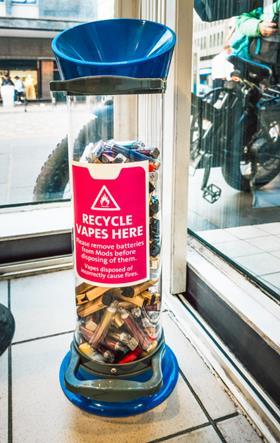
With regards to storage, it goes on to advise: “Vapes should be stored in a separate container in a cool dry place away from windows and direct sunlight, and away from other electrical and electronic equipment you store for takeback.
“You can only store the used vapes temporarily - generally no longer than three months. There is no regulatory requirement for a specific vape container. Tube containers, widely used for battery collection, can be used for storing vapes, but it is recommended that vapes are stored separately from batteries and other electronic and electrical equipment.”
The ACS also draws retailers’ attention to recycling rules for vapes in its online advice: ”Previously, retailers who sold less than £100k of vapes and other electrical and electronic equipment were able to be part of the Distributor Takeback Scheme (DTS), which involved displaying information for consumers about places where they could recycle their electricals.
“While the DTS is still in operation for other electricals, vapes have been taken out of the scheme and now require all stores providing the product to also provide a way for customers to recycle them.”
Naturally, the above advice suggests many areas of vape storage regulations that could easily be ignored by retailers - particularly with regards to illicit or out-of-date vapes or non-regulatory products.
While the exact cause of the fire in Glasgow remains undetermined, the vaping industry - and those who sell them - will no doubt face further scrutiny in coming weeks.
You can now secure your tickets to the Convenience Awards 2026
Join us on 11 March in Liverpool to celebrate the entire convenience community.
See this year’s finalists and book your seat here.











No comments yet