













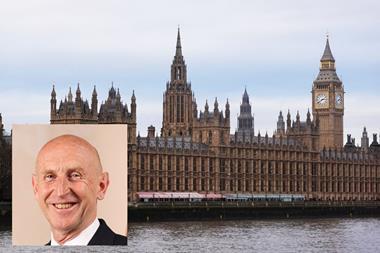
Chancellor of the Exchequer, John Healey, has just delivered his first Budget statement “for the working people of Britain,” announcing the small business rate relief threshold (the point at which businesses start paying rates) will rise from £12,000 rateable value to £18,000.
In addition, Healey said the new level would not be applied to vape or gambling shops.
Healey also stressed that within ten years, 100% of funds raised from business rates would go to the local area they’re raised in, so “more of the money raised locally can be spent locally,” he said.

Speaking of Labour’s ten-year plan, Healey also confirmed the Government is increasing both the National Minimum Wage and the National Living Wage by 3.9% “for 2.3m of our lowest paid workers.”
The Chancellor also repeatedly said during his speech that the war in the Middle East was causing numerous pressure points for the economy, and as a result said he would hold the 5p fuel duty until July next year, as well as extending the VAT cut to household electricity bills up to the same date.
As previously reported, tariffs were also confirmed to be removed on a range of over 100 items regularly found in convenience stores, with the list spanning baked beans, garlic, gherkins, boiled sweets, plant-based drinks and more.
First reponse
Swiftly reponding to the Budget headlines today, the Association of Convenience Stores hailed the increase in the small business rate relief threshold as a major win for local shops, taking thousands of small convenience stores out of paying business rates altogether.
“Raising the rates relief threshold will mean that thousands of small shops pay no rates at all.”
ACS chief executive, Ed Woodall, said: “This is a major step forward in addressing the problems with the business rates system that we’ve been campaigning on throughout the year. Raising the rates relief threshold will mean that thousands of small shops pay no rates at all, protecting jobs and encouraging investment in every postcode.”

Earlier this week, ACS gave evidence to a select committee on entrepreneurship, highlighting the challenges facing convenience store retailers seeking to maintain and scale their businesses. ACS told MPs that business rates bills for the convenience sector have risen by 79% in the last two years, putting significant additional pressure on smaller local shops.
Targeted relief
Also responding today, the Institute of Grocery Distribution (IGD), said the announcements did not represent a sizeable boost for the wider food and drink industry.
James Walton, Chief Economist at IGD, said: “Today’s Budget comes against a challenging economic landscape. Against this backdrop, the Budget will provide some targeted relief for households, rather than a substantial easing of pressure across the food and drink industry.
“Higher living wages will add to payroll costs, meaning impacts will vary by business.”
“Business rate changes could help eligible smaller operators and tariff cuts may reduce selected sourcing costs. On the other hand, higher living wages will add to payroll costs, meaning impacts will vary by business.
“For an industry facing flat volumes and incredibly tight margins, these measures do not fundamentally change the ongoing pressures businesses face.
“Support for shoppers offers some breathing space but is likely to help protect grocery spending, rather than deliver a significant boost to demand. Households remain under pressure and any true relief feels far off.”
A win for retailers
Meanwhile, Andrew Goodacre, CEO of the British Independent Retailers Association, has hailed the business rates announcements as a win for independent retailers. However, he said the lack of help on rising employment and energy costs was a missed opportunity.
Goodacre said: “This Budget has not contained any of the nasty surprises from the past two years. In fact, we’re pleased to see Small Business Rates Relief increased by 50%, and all other rate increases next year linked to inflation.
“Bira raised these issues as genuine concerns on several occasions in the run-up to the Budget, and we’re delighted the Treasury has listened. This is a real win for independent retailers.”
With regards to the National Living Wage and National Minimum Wage rises, Goodacre added: “The lack of measures to reduce the cost of employment and energy is disappointing. Increasing the Employment Allowance would have been a real help to small employers, and this was a missed opportunity.”
Staff pressures
Finally, Chris Brook-Carter, chief executive of retail industry charity, the Retail Trust, highlighted the fact challenges still remain when it comes to protecting retail staff despite any Budget pledges.

Brook-Carter said: “Today’s Budget did contain some measures to support retail businesses and ease the cost of living, but their success will also be judged by the difference they can make to the millions of people working in the retail industry.
“The increase in the minimum wage will make a real difference to workers struggling with the cost of living, but we also need to ensure retailers can afford to maintain staffing levels, create new jobs and invest in their people. This is particularly important for young people, many of whom get their first experience of employment in retail.
”We cannot overlook the crime and abuse shop workers continue to face for doing their jobs.”
“We also cannot overlook the crime and abuse shop workers continue to face for doing their jobs. Investment in our high streets must go hand-in-hand with making them safer places to work. The new protections that form part of the Crime & Policing Act need to be brought into force and backed by consistent enforcement, so employees can feel confident that incidents will be taken seriously.
“Supporting our high streets must also mean supporting the people who keep them running. We need to ensure a retail industry where employees can feel more secure in their jobs, safer at work and better supported when they need help.”
Convenience Store will continue to bring responses to the autumn Budget throughout the week.





No comments yet