












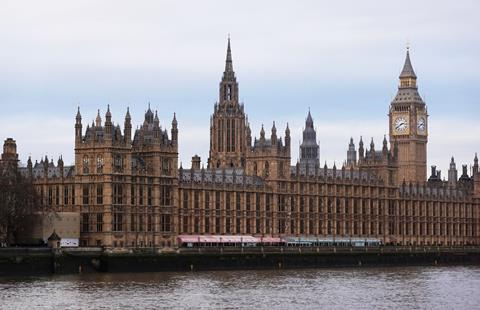
Keir Starmer has announced his resignation as prime minister and leader of the Labour Party.
He has held the role of prime minister since July 2024 when Labour won the General Election. Starmer will stay on until a successor is appointed, with Andy Burnham tipped to be announced following his win in the Makerfield by-election earlier this month. The new leader of the Labour party is expected to be in place by September, when Parliament returns from the summer recess.
Commenting on Starmer’s resignation, Chris Brook-Carter, chief executive of the charity, the Retail Trust said: “Any political uncertainty must not be allowed to create even more uncertainty for retail staff and their employers. Strong leadership around issues such as business rates, employment costs, retail crime and mental health remains as important to the future of the industry and the country as ever.
“New measures to tackle retail crime will be an important step forward in protecting the safety and wellbeing of shop workers and helping to rebuild the reputation of the industry as a great place to build or begin a career. The Crime and Policing Act must now be backed by consistent enforcement, more support for workers facing unacceptable incidents, and a visible public response against any hostility, intimidation or abuse towards staff.
“We’d also urge the new prime minister not to forget that any measures focused on encouraging those with mental health conditions back into the workforce must be matched by stronger commitments from employers to invest in tailored and preventative wellbeing support for staff. This means recognising that good management and mental health support are central to helping people stay well, stay in work and thrive, and are critical to the economic resilience and productivity of the UK as a whole.”
Who is next in line?
Ahead of Starmer’s resignation announcement, head of business rates at Colliers, John Webber, commented on Burnham’s pledge to overhaul the business rates sector by increasing the thresholds and abolishing business rates for shops, cafes and restaurants that are single-site operations.
Webber said: “Burnham’s promise to abolishing business rates for shops, cafes and restaurants is also a good soundbite, but if the government is determined to increase its tax take from business rates every year (with forecast to take £40 billion by 2030) extra tax will need to be levied on other businesses to pay for this relief.
“Moreover, limiting the relief to single site venues will do nothing to encourage business expansion. Why would you open another venue if you are hit with full business rates on both? We need our taxation policy to be stimulating growth not putting another nail in its coffin!
“Increasing the thresholds at which businesses pay business rates from £12,000 to £18,000 would also just take properties out of the system from paying business rates at all- again putting the burden further on those businesses that do. We have estimated the cost of increasing the threshold in this way would be around £900m.”
Burnham’s other potential policies include to “reconsider” the increase in National Insurance paid by employers. Speaking on BBC’s Newsnight earlier this month, he said the increase was the “wrong decision” however did not promise to change it back completely. The increase in National Insurance Contributions was cited by many retailers as a significant rise in the cost of running a business.





![GA-2916[73][63][94][66][68][68][58][37]](https://d2dyh47stel7w4.cloudfront.net/Pictures/380x253/0/5/8/398058_ga29167363946668685837_326681.jpg)


No comments yet