
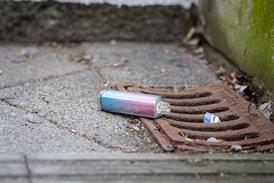

















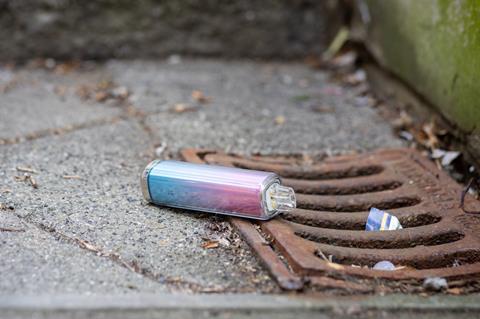
More than 6.3 million vapes and pods are thrown away each week in the UK, according to new research from recycling campaign group Material Focus.
The figure is down 23% from 8.2 million in 2024, suggesting the single‑use vape ban introduced in June 2025 has helped reduce waste, said the group.
Despite the progress, it warned that the current level “still represented a massive waste of valuable materials and a major fire risk”.
Vapes contain lithium‑ion batteries which are dangerous if crushed or damaged because they can cause fires in bin lorries or at waste and recycling centres. These fires have increased by 71% since 2022, according to Material Focus.
The group received information from two of the UK’s largest waste and recycling companies, both of which reported significant challenges due to the “ongoing high volume of vape waste in the system”, said Material Focus.
Waste firm Veolia is experiencing around one fire a day in its vehicles and at its waste and recycling sites, a trend that has persisted for about four years, and which it believes is likely caused by lithium batteries found inside vapes and other electricals.
Biffa, meanwhile, receives over 200,000 vapes a month incorrectly placed in mixed recycling collections.
The new research, commissioned by Material Focus and conducted by Opinium, found 47% of vapers did not know they could recycle their vapes.
Some 80% said there wasn’t enough information on how to recycle vapes, while almost half (49%) said recycling their vape at the shop where they bought it was their preferred option.
Additionally, 57% of vapers would be more likely to buy vapes from a store if it provided recycling drop‑off points, the report said.
Material Focus said many retailers are failing to comply with environmental regulations and have not put proper recycling drop‑off points or systems in place.
“We want more vapers demanding that the places where they buy them also provide recycling points,” said Scott Butler, executive director at Material Focus.
“It is a long-standing legal obligation for all of the stores who are profiting from selling them must offer safe recycling drop-off points and cover the costs of doing that. Vape producers and importers should then cover the costs of recycling.”
Butler added: “A new tobacco and vapes bill is progressing through parliament. The bill proposes that the sellers of vapes will need to be licensed to do this, similar to those who sell tobacco and alcohol. Requiring these licensed premises to also offer takeback and communicate this clearly to their customers could have a big impact.”
Responding to the new findings, Gillian Golden, chief executive of the Independent British Vape Trade Association (IBVTA) said: "We welcome news that in just 7 months, the single use vape ban has not only reduced the number of vape batteries being placed on the market, but also the amount of waste being produced.
"While a lithium battery and a vape pod are very different in terms of environmental impact and complexity of recycling, more consumers should be returning their used products to recycling points to be dealt with properly. Every vape retailer should be providing take-back bins to enable consumers to do this.
"IBVTA members' shops have always encouraged their customers to vape in the most environmentally friendly and cost effective way. This means more recharging, and refilling, and less disposal of products that can and should be reused many times."








No comments yet