











With the recent heatwave and World Cup both affecting how people ate, drank and socialised, the latest IGD ShopperVista research explores the shifts in consumer behaviour and what food and drink businesses can learn from it.
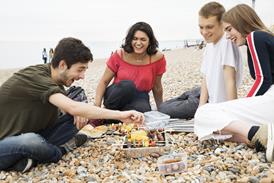
While warm weather typically encourages people to spend time outdoors and socialise through barbecues and dining out, the recent heatwave had a more mixed impact. Almost half of shoppers surveyed (47%), said they didn’t enjoy it, while 56% stayed at home because of the hot weather.
As temperatures rose beyond many people’s comfort levels, habits shifted towards staying indoors, keeping cool and conserving energy rather than spending time outside.
Food and drink choices also changed significantly, with 71% of shoppers saying their usual choices were different during hot weather. 82% looked to have lighter meals, driven by reduced appetites (69%) and reluctance to cook (67%).
As a result, shoppers gravitated towards easier, cooler options, with 44% buying more salads and chilled sides and 25% purchasing more convenient, easy-to-prepare foods such as ready meals and ‘picky bits’.
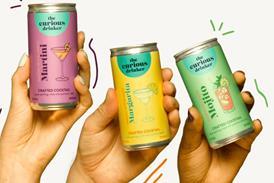
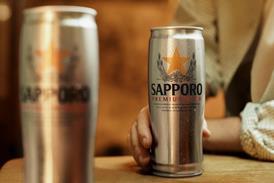
Hydration and refreshment categories understandably saw some of the strongest uplift. Staying hydrated was a priority for 90% of shoppers, with 47% buying more soft drinks than usual and 37% buying more bottled water.
Ice cream and lollies were the most sought-after items, with 64% of shoppers buying more than usual, while 42% bought more fresh fruit, highlighting the importance of fresh, chilled and seasonal ranges during periods of extreme heat. 14% bought more alcoholic drinks than usual during the heatwave, rising to 24% of 18–24-year-olds.

The new research also shows that hot weather can prompt more reactive shopping missions. 62% of shoppers agreed that hot weather changes how they shop, while 22% made more impulse purchases than usual.
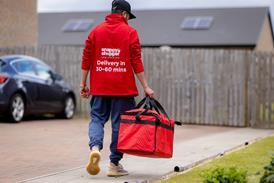
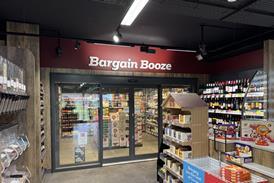
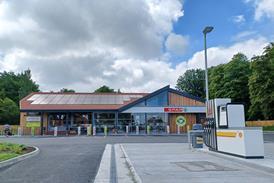
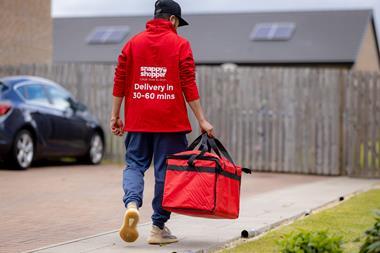
Some shoppers used convenience stores to stock up on last-minute drinks, snacks and other heatwave essentials, while others turned to quick commerce to shop without leaving home.
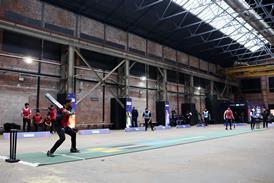
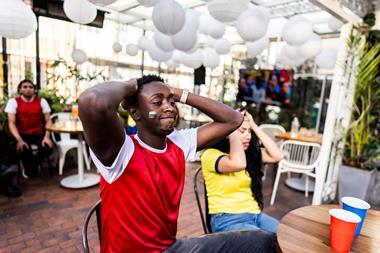
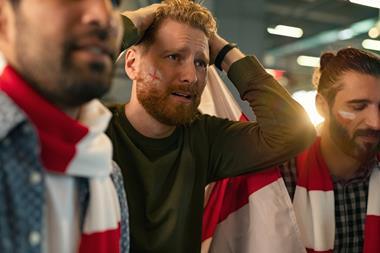
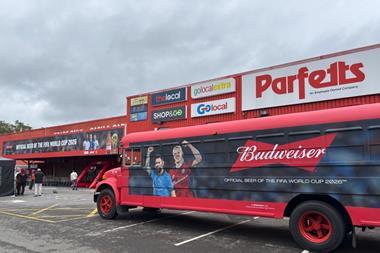
The World Cup also amplified occasion-led behaviour. 70% of consumers followed the tournament, up from the 59% who’d planned to do so pre-tournament.
A third said the hot weather affected how they celebrated the event, while 64% said late match timings affected celebrations.
However, key fixtures still created major at-home viewing occasions. England vs Argentina was the most watched match, with 80% watching live at home, 11% watching in a pub, bar or beer garden and 6% watching at a friend’s or family member’s home.
42% of tournament followers said they planned to buy more alcoholic drinks, rising to 63% among 18–24-year-olds.
Annie McGoff, IGD analyst, said: “When high temperatures coincide with major events, shoppers can shift quickly between planned missions, top-up shops and impulse purchases.
“Businesses that flex availability, merchandising and promotions around chilled, refreshing, convenient and at-home occasion-led products are best placed to respond. Clear signposting, meal inspiration and relevant bundles can also help shoppers make quicker decisions, while stronger supply chain resilience will be increasingly important as extreme weather becomes more frequent.”





No comments yet